
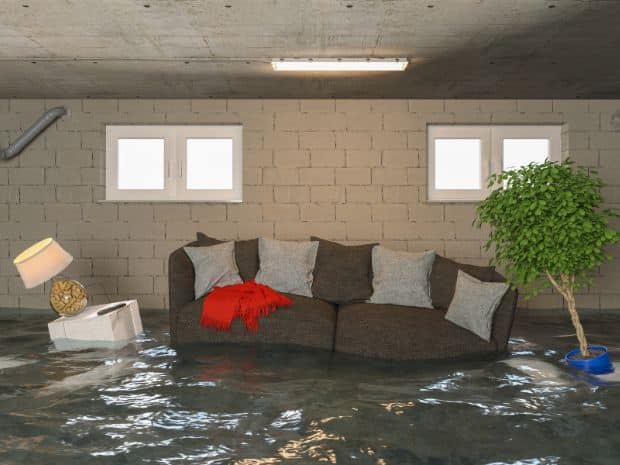
No matter how beautiful your finished basement is, moisture problems can ruin it fast. Before you invest time and money into remodeling, waterproofing should be your first step.
Maryland basements come with unique challenges — high water tables, humid summers, and many older homes with aging foundations all increase the risk of leaks and mold.
Don’t let moisture issues spoil your dream space. Schedule a free basement waterproofing consultation with All Things Remodeling LLC in Glen Burnie to protect your home and your investment.
Why Waterproofing Matters
A dry basement isn’t just a luxury — it’s a necessity. Waterproofing your basement protects your home’s value, your health, and your peace of mind.
1. Protects Your Home’s Structure
Water may seem harmless, but over time, moisture can wreak havoc on your home’s foundation. Here’s how:
- Cracks in Foundation Walls: Water pressure from outside can push against the concrete, causing it to crack or bow inward.
- Soil Shifting: Saturated soil around your home can shift and settle, leading to uneven floors or structural instability.
- Wood Rot & Rust: Support beams, joists, and metal hardware can deteriorate when exposed to prolonged dampness.
Bottom Line: Waterproofing helps maintain the structural integrity of your home — and prevents costly foundation repairs.
2. Prevents Health Hazards
Damp basements are a breeding ground for mold, mildew, and bacteria — all of which can negatively affect your health.
Health Risks of Basement Moisture:
| Problem | How It Affects You |
|---|---|
| Mold & Mildew | Triggers allergies and asthma |
| Dust Mites | Thrive in humid environments |
| Air Quality Issues | Leads to persistent odors and respiratory problems |
Note: Even if you don’t spend time in your basement, the air from there circulates throughout your home.
3. Early Warning Signs to Watch For
Catching moisture problems early can save you thousands in repairs. Keep an eye (and nose) out for these signs:
Common Signs of Water Intrusion:
- Musty or damp smells
- White, chalky residue on walls (called efflorescence)
- Peeling paint or bubbling wall coverings
- Rust on appliances or furnace components
- Visible water stains or wet spots
4. Prevention is Always Cheaper Than Repair
Waiting until you have standing water in your basement can lead to:
- Costly repairs to walls, floors, and belongings
- Insurance claims (which may not always be approved)
- Mold remediation services
Tip: A proactive waterproofing solution often costs less than repairing the damage from one serious leak.
Understanding Maryland’s Basement Challenges
If you live in Maryland — especially in areas like Glen Burnie or Anne Arundel County — basement moisture isn’t just a possibility. It’s a real and recurring issue. The region’s climate and soil conditions combine to make water intrusion a common headache for homeowners.
The Problem: High Water Table + Heavy Rain
Maryland is known for:
- A High Water Table
The water table in many parts of Maryland sits close to the surface, meaning the soil becomes saturated quickly during rainfall. - Frequent and Heavy Seasonal Rains
Spring and fall bring extended periods of rain, increasing the risk of water pooling around your foundation.
Result: When the ground is saturated, water pressure builds up around your home’s foundation. Water will always look for the path of least resistance — and often, that’s your basement.
Aging Foundations in Glen Burnie & Anne Arundel County
Many homes in these areas were built decades ago and may show signs of age:
- Settled Foundations – Over time, soil movement causes foundations to shift and settle unevenly.
- Cracks & Gaps – These shifts often lead to small cracks in walls or floors that gradually widen.
- Outdated Waterproofing – Older homes may lack modern waterproofing materials or drainage systems.
Older homes = Higher risk
Without updated protection, these homes are especially vulnerable to leaks and seepage.
Where Water Gets In
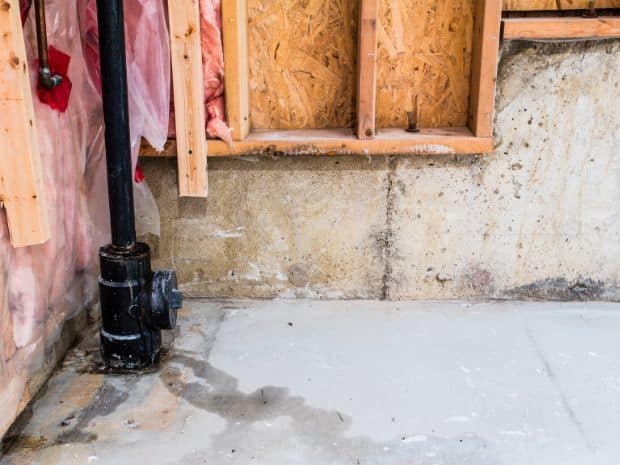
Knowing how water enters your basement is the first step toward stopping it. Common entry points include:
Common Entry Points for Moisture:
- Foundation Cracks – Vertical or horizontal cracks in basement walls or floors
- Window Wells & Frames – Improperly sealed or aging basement windows
- Poor Exterior Drainage – Downspouts that dump water near the foundation, or sloped ground directing water toward the house
- Wall-Floor Joint (Cove Joint) – The seam where the basement wall meets the floor slab is a frequent weak spot
Tailoring a Waterproofing Plan to Maryland Conditions
Understanding these regional factors helps you choose the right solution for your home. A typical waterproofing strategy in Maryland may include:
- Interior drainage systems
- Sump pumps with battery backup
- Sealing foundation cracks
- Improving exterior grading and downspouts
Tip: Work with a waterproofing specialist familiar with Maryland’s soil and weather to get the best long-term results.
Common Waterproofing Techniques
There are two main ways to protect your basement from water damage: exterior waterproofing and interior waterproofing. Each approach has its strengths, costs, and ideal use cases.
Exterior Waterproofing (Stops Water Before It Enters)
Exterior methods tackle the issue at the source — keeping water from ever reaching your basement walls.
Common Exterior Waterproofing Methods:
- French Drains
Subsurface piping systems that redirect groundwater away from your foundation. - Waterproof Membranes
Heavy-duty coatings applied to the outside of foundation walls to seal out moisture. - Proper Grading & Landscaping
Adjusting the slope of your yard so water naturally flows away from your house. - Gutter & Downspout Extensions
Ensuring roof runoff is carried far enough from your foundation.
✅ Best for long-term protection, especially in high-risk areas
❌ Often requires excavation, making it more expensive and disruptive
Interior Waterproofing (Manages Water That Gets In)
Interior systems don’t stop water from entering, but they manage and redirect it safely away from your home.
Common Interior Waterproofing Methods:
- Sump Pumps
Pumps automatically remove water from a designated pit in your basement. - Interior Drain Tile Systems
Drainage channels installed along the inside of your basement floor that guide water into the sump pump. - Vapor Barriers
Plastic or foil sheets applied to walls and floors to block moisture and humidity. - Dehumidifiers
Help control air moisture levels and reduce condensation-related issues.
✅ Typically easier and more affordable to install
❌ Doesn’t prevent water from reaching the foundation
Exterior vs. Interior: What’s the Difference?
Here’s a quick comparison to help you understand when each method might be right for you:
| Feature | Exterior Waterproofing | Interior Waterproofing |
|---|---|---|
| Goal | Keep water out | Manage water after it enters |
| Invasiveness | Requires excavation | Less invasive |
| Cost | Higher upfront | More budget-friendly |
| Effectiveness | Best for long-term protection | Effective for minor leaks or backups |
| Common Use | New builds or major renovations | Finished basements, tight budgets |
Which Waterproofing Approach Is Right for You?
The best solution depends on:
- Where the water is coming from
- How much water is entering
- Whether your basement is finished
- Your budget and future renovation plans
Pro Tip: In many cases, a hybrid approach combining both interior and exterior solutions gives the most reliable protection.
Signs You Need Professional Waterproofing
A damp basement isn’t just inconvenient — it’s often a sign of deeper problems that require more than a quick fix. Knowing what to look for can help you act before minor issues become major repairs.
Persistent Dampness Despite Your Best Efforts
If your basement feels damp even when:
- Dehumidifiers are running non-stop
- You’ve sealed cracks or added weatherstripping
- You’ve already tried improving ventilation
…then moisture may be entering from behind the walls or below the floor — areas a DIY fix can’t reach.
Visible Signs of Water Intrusion
Keep an eye out for physical indicators that water is entering your basement:
Common Warning Signs:
- ✅ Cracks in walls or floors (especially horizontal or widening cracks)
- ✅ White chalky substance on walls (efflorescence)
- ✅ Water stains or discoloration on walls and flooring
- ✅ Warped baseboards, trim, or paneling
- ✅ Pooled water or damp spots after heavy rain
These aren’t just cosmetic — they’re signals that water is actively breaching your foundation.
Mold, Mildew, and Odors
One of the most serious signs of long-term moisture problems is the presence of:
- Mold growth – Often fuzzy, black, green, or white patches on walls or in corners
- Musty odors – A persistent, earthy smell is a red flag for hidden mold
- Allergy or breathing issues – Moist environments worsen indoor air quality and can trigger health problems
⚠️ Mold in the basement often means moisture is getting in through the foundation and spreading through the air in your home.
When DIY Isn’t Enough
DIY Fixes May Help With:
- Minor surface condensation
- Small cracks that stay dry
- Occasional dampness (not pooling water)
Call a Pro If You Notice:
- Recurring water puddles
- Spreading foundation cracks
- Mold that keeps returning
- A damp smell that never fades
- Water damage after every rainstorm
Why Professional Waterproofing Matters
Hiring a waterproofing expert means:
- Accurate diagnosis of the root cause
- Access to commercial-grade tools and materials
- Long-term solutions that protect your home’s value
- Peace of mind knowing your foundation is safe and dry
Bottom line: If your basement has recurring moisture problems, don’t wait. Professional waterproofing is an investment that prevents bigger headaches — and repair bills — down the road.
Waterproofing Costs in Glen Burnie & Anne Arundel County
Understanding the cost of waterproofing helps you plan your budget and choose the right solution for your home. Costs can vary widely depending on several factors, including your basement size, the extent of water problems, and the waterproofing methods used.
What Influences Waterproofing Costs?
Several key factors impact how much you’ll spend:
- Basement Size — Larger basements require more materials and labor.
- Severity of Water Issues — Minor dampness vs. major flooding needs different approaches.
- Type of Waterproofing System — Interior vs. exterior, simple sealants vs. full drainage systems.
- Accessibility — Homes with difficult-to-access foundations may cost more to waterproof.
Typical Cost Ranges
Here’s a rough guide to what you can expect to pay in the Glen Burnie and Anne Arundel County area:
| Waterproofing Solution | Cost Range (USD) | Description |
|---|---|---|
| Vapor Barriers & Minor Crack Repairs | $1,500 – $3,500 | Basic fixes for minor moisture and small cracks |
| Interior Drainage & Sump Pump Systems | $3,500 – $7,500 | Systems that manage water once it enters the basement |
| Exterior Waterproofing & French Drains | $7,000 – $12,000+ | Excavation and installation of exterior membranes and drains |
Why Waterproofing Is a Smart Investment
If you’re thinking about remodeling your basement, waterproofing is a must. While the upfront cost may seem high, waterproofing:
- Protects Your Basement Remodel — Avoids damage to flooring, walls, and finishes.
- Maintains Home Value — A dry, structurally sound basement adds to your property’s market appeal.
- Prevents Costly Repairs — Foundation damage and mold remediation can cost tens of thousands.
- Improves Health & Comfort — Keeps mold and musty odors at bay.
Tip: Think of waterproofing as insurance for your home’s foundation. The money spent now can save you thousands down the line.
Waterproofing and Permits
When planning a waterproofing project in Maryland, it’s important to understand local permit requirements to avoid delays and legal issues.
When Are Permits Needed?
Certain waterproofing jobs typically require permits, especially if they involve:
- Exterior excavation around your foundation
- Installing or altering major drainage systems like French drains or sump pump lines
- Structural repairs that affect your foundation walls or footings
These permits ensure that all work meets Anne Arundel County building codes and safety standards.
Why Permits Matter
Permits serve several important purposes:
- Compliance with Local Laws: Ensures your waterproofing follows county regulations.
- Protects Your Home’s Value: Unpermitted work can cause problems when selling your home.
- Insurance Coverage: Insurance companies may deny claims if work wasn’t permitted properly.
- Safety and Quality Assurance: Permits require inspections, so work is done correctly and safely.
How We Help at All Things Remodeling LLC
At All Things Remodeling LLC, we:
- Handle all permit applications and paperwork for you
- Coordinate county inspections during and after the project
- Ensure your waterproofing is fully compliant and up to code
This way, you can relax knowing your project is done right — with no surprises or headaches down the road.
Next Steps: Planning Your Remodel After Waterproofing
Once waterproofing is complete, your basement is ready for drywall, flooring, and all the finishing touches.
This step also ensures a dry, stable environment for plumbing, electrical, and HVAC work — preventing costly damage down the line.
Coordinating waterproofing early with your full remodel plan keeps your project on schedule and protects your investment.
For a complete overview, check out our Whole-Home Remodel Guide to plan your next steps with confidence.
Conclusion
Waterproofing is the foundation of any successful basement remodel in Maryland. Without it, moisture can quickly undo your hard work and investment. Starting with a thorough waterproofing plan protects your home’s structure, health, and value.
Don’t wait until you see water damage—schedule a professional waterproofing inspection with All Things Remodeling LLC in Glen Burnie before you begin your remodel.
Ready to protect your basement? Contact us today to book your free waterproofing consultation and learn how we can keep your home dry and safe.